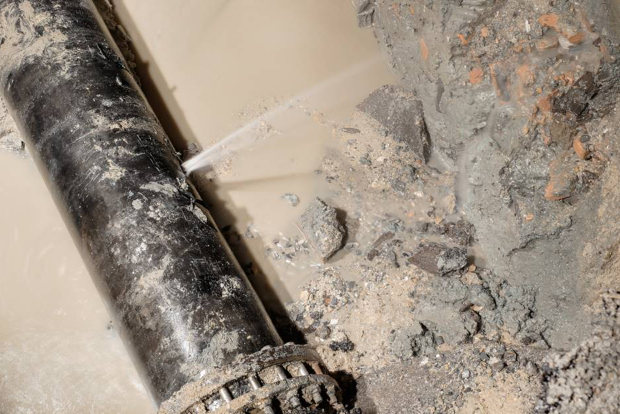
Hidden plumbing problems often begin quietly beneath the surface. Detecting Water Leaks Underground early can prevent serious structural issues, rising water bills, and costly pipe failures. In many homes and commercial properties, pipes run beneath concrete slabs, driveways, landscaping, and foundations, making problems difficult to notice until significant damage occurs.
That’s why detecting underground water leaks is such an important part of maintaining a healthy plumbing system. When leaks remain unnoticed, water can slowly erode soil, weaken foundations, and damage surrounding structures. Property owners throughout Simi Valley and nearby communities benefit from understanding how early detection helps protect their homes and businesses.
Why Detecting Water Leaks Underground Early Matters
Pipes buried beneath the ground are exposed to shifting soil, corrosion, aging materials, and tree root intrusion. Over time, even durable plumbing systems can develop small cracks or joint failures. Detecting water leaks underground early helps stop these minor issues from becoming major pipe breaks.
Many property owners first notice warning signs such as unexplained increases in water bills, damp patches in the yard, or areas of grass that grow unusually fast. In some cases, a faint sound of running water can be heard even when fixtures are turned off. These subtle clues often indicate that detecting underground water leaks should be addressed quickly before the situation worsens.
Early intervention not only reduces repair costs but also protects landscaping, foundations, and nearby structures from water damage. Professional plumbing technicians rely on modern diagnostic tools to pinpoint the source of leaks without unnecessary digging.
Common Signs That Point to Detecting Water Leaks Underground
Underground plumbing leaks often develop gradually. Knowing what to watch for can help property owners recognize when detecting underground water leaks becomes necessary.
One common indicator is a sudden spike in monthly water usage without any noticeable changes in household habits. Another clue may be soggy spots forming in areas that typically remain dry. When pipes beneath concrete slabs begin leaking, interior flooring may feel warm or damp.
In many cases, homeowners notice a musty smell inside the property or cracks forming in walls and flooring. These issues may suggest that detecting water leaks underground should be performed before more serious damage develops.
Professional leak detection methods allow technicians to identify the precise location of underground leaks. This targeted approach reduces disruption to the property and speeds up repairs.
Technology Used for Detecting Water Leaks Underground
Modern plumbing diagnostics have made detecting underground water leaks far more accurate than in the past. Instead of relying on guesswork, plumbers now use specialized equipment designed to locate leaks beneath surfaces.
Acoustic listening devices can identify the sound of water escaping from pressurized pipes. Infrared cameras may reveal subtle temperature differences that indicate moisture beneath floors or soil. Moisture sensors and pressure testing also assist technicians when detecting water leaks underground in complex plumbing systems.
These tools allow professionals to locate leaks beneath slabs, driveways, or landscaped areas with minimal disturbance. Accurate detection reduces unnecessary excavation while allowing repairs to focus only on the affected section of pipe.
For homeowners and property managers, reliable detecting water leaks underground services provide peace of mind while protecting plumbing infrastructure.
Preventing Future Issues After Detecting Water Leaks Underground
Once a leak is located and repaired, taking steps to maintain the plumbing system can reduce the likelihood of similar problems in the future. Regular inspections help identify aging pipes, pressure issues, or environmental factors that may contribute to future leaks.
Routine maintenance plays an important role after detecting underground water leaks, particularly in older properties where plumbing systems have been in place for many years. Monitoring water pressure, replacing worn components, and addressing minor concerns early all contribute to a more reliable plumbing network.
Working with experienced plumbing professionals provides property owners with practical guidance and dependable service when detecting water leaks underground becomes necessary.
Protect Your Property with Trusted Local Plumbing Support
Hidden leaks can quietly create serious problems beneath your property, but the right plumbing team can identify issues before they escalate. Santor Plumbing provides responsive, professional service backed by years of experience helping homeowners and businesses throughout Ventura County and Los Angeles County communities.
If you suspect a hidden plumbing issue or want a professional inspection, the Santor Plumbing team is ready to help. Reach out by phone at (805) 630-0487 or (818) 940-0487 or send a message to santorplumbing@gmail.com to schedule a convenient service time. Our knowledgeable technicians work quickly and carefully to protect your property and restore peace of mind.
And if you’re exploring more helpful plumbing insights, read our next article to discover additional tips for protecting your plumbing system and preventing costly water damage before it starts.
Frequently Asked Questions:
How do professionals handle detecting water leaks underground without digging up the yard?
Technicians use acoustic sensors, moisture detection tools, and thermal imaging to locate the exact position of underground leaks. These tools allow plumbers to perform detecting water leaks underground with minimal disruption to landscaping or hard surfaces.
What causes underground water leaks to develop over time?
Several factors can contribute, including pipe corrosion, shifting soil, aging materials, root intrusion, or pressure changes in the plumbing system. Regular inspections and early detecting water leaks underground can help prevent these issues from turning into major pipe failures.