The plumbing system in your homework quietly behind the scenes every day, and one of its most important components is the sewer pipe. This underground pipe carries wastewater from sinks, toilets, showers, and appliances away from your property and into the municipal sewer system. When the sewer pipe functions properly, homeowners rarely think about it. However, when problems develop, the effects can quickly disrupt everyday life. If warning signs begin to appear, many homeowners turn to Sewer Line Repair Simi Valley, CA professionals to identify the cause and restore proper drainage.
Many homeowners only begin learning about their plumbing system when signs of trouble appear. Slow drains, unpleasant odors, and repeated backups often indicate that something is affecting the sewer pipe. When these symptoms continue, it may signal a blockage, pipe damage, or another issue that requires attention from experienced plumbing professionals.
Understanding how the sewer line works and what can affect its performance helps homeowners recognize problems early and protect their plumbing system.
How a Sewer Line Works in Residential Plumbing
Every home has a network of smaller drainpipes connected to sinks, showers, bathtubs, and toilets. These individual drains collect wastewater and direct it toward a single main sewer pipe that runs beneath the property.
The sewer line carries wastewater away from the home using gravity. During installation, plumbers position the pipe at a slight downward slope so that water and waste flow naturally toward the municipal sewer connection. This simple but effective design allows the plumbing system to move wastewater efficiently without requiring mechanical assistance.
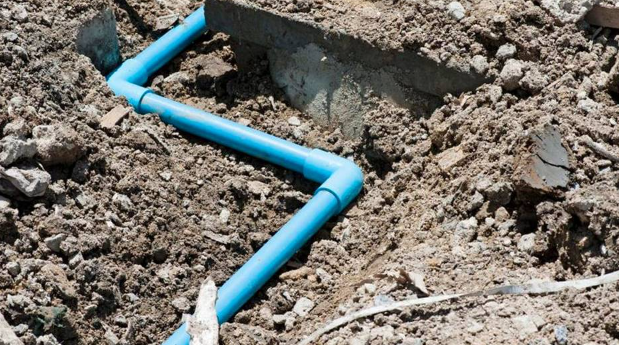
In many Simi Valley homes, the main sewer line runs from the home’s foundation to the street where it connects with the city’s sewer infrastructure. The pipe is usually buried underground to protect it and to maintain consistent flow.
The materials used for a sewer pipe can vary depending on when the home was built. Older properties may still have clay or cast-iron pipes, while newer homes typically use durable PVC piping. Over time, aging materials can develop cracks or corrosion, which may eventually interfere with the function of the sewer pipe.
When this pipe becomes obstructed or damaged, wastewater cannot move through the system efficiently. As a result, plumbing fixtures throughout the home may begin to drain slowly or experience backups.
Common Issues That Affect a Sewer Line
Even well-maintained plumbing systems can experience wear after years of daily use. Several common issues may interfere with the performance of a sewer line, particularly in established neighborhoods where trees and aging pipes are common.
Tree roots are one of the leading causes of sewer pipe problems. Roots naturally search for moisture, and even a tiny crack in a pipe can allow them to enter. Once inside, the roots expand and collect debris, eventually forming blockages that prevent wastewater from flowing freely.
Grease buildup is another frequent issue. Cooking oils, fats, and food residue that enter kitchen drains can gradually accumulate inside the sewer line. Over time, this buildup narrows the pipe and restricts water flow, increasing the chance of clogs.
Older pipe materials may also contribute to sewer pipe trouble. Clay pipes can shift or crack as soil moves, while cast iron pipes may corrode after decades underground. When structural damage develops, wastewater may leak into surrounding soil or cause repeated drainage problems.
Changes in soil conditions can also affect the stability of a sewer pipe. Heavy rainfall, drought cycles, and ground movement may shift pipes slightly, disrupting the proper slope needed for drainage.
Why Regular Attention to Your Sewer Line Matters
Keeping an eye on the condition of your sewer line helps prevent larger plumbing problems from developing. Small issues, such as minor blockages or early pipe damage, may appear harmless at first. Over time, however, these problems can expand and affect the entire plumbing system.
Professional inspections allow plumbers to evaluate the interior condition of a sewer line using specialized camera equipment. This technology makes it possible to locate blockages, cracks, or root intrusion without unnecessary digging.
Routine evaluations of the sewer pipe can also help extend the lifespan of the plumbing system. When small problems are addressed early, homeowners reduce the likelihood of major plumbing disruptions and costly property damage.
Being aware of the warning signs—such as slow drains throughout the home, frequent clogs, or unusual odors—can help homeowners respond quickly if the sewer line begins to develop issues.
Reliable Plumbing Support for Local Homeowners
When plumbing issues involve the sewer line, fast and professional attention can make a major difference in protecting your home. Santor Plumbing has built a strong reputation for helping homeowners across Simi Valley and surrounding communities resolve plumbing challenges with dependable service and clear communication.
If your plumbing system shows signs of trouble, the Santor Plumbing team is ready to help restore proper drainage and protect your home’s plumbing infrastructure. Their experienced professionals provide prompt scheduling and practical solutions tailored to local homes.
To speak with a knowledgeable plumbing specialist, you can reach Santor Plumbing by phone at (805) 630-0487 or (818) 940-0487. You may also send a message to santorplumbing@gmail.com to request assistance or ask questions about your plumbing system.
Their team takes pride in helping local homeowners keep their plumbing systems running smoothly with dependable service and trusted experience.
Frequently Asked Questions:
How do I know if my home has a damaged sewer line?
Common signs of a damaged sewer line include frequent drain clogs, slow drainage across multiple fixtures, foul odors, and gurgling sounds from pipes. These symptoms often indicate an obstruction or pipe damage underground.
How long does a residential sewer line typically last?
The lifespan of a sewer line depends on the pipe material. PVC pipes can last 50 years or more, while clay and cast-iron pipes in older homes may experience deterioration after several decades.