Understanding your sewer lines is essential for every homeowner or business owner. These hidden underground pipes quietly carry wastewater from toilets, sinks, showers, and appliances away from your property. When functioning properly, Sewer Lines operate unnoticed, but small issues can quickly escalate into major disruptions. Slow drains, foul odors, or standing water can indicate the start of serious problems that may affect your entire plumbing system.
The Role of Sewer Lines in Your Plumbing System
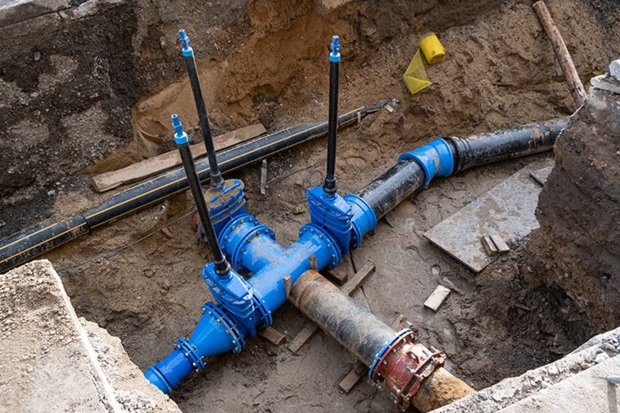
Sewer lines serve as the central pathway for wastewater, connecting every fixture in your home or business to municipal sewer systems or private septic tanks. Over time, natural wear, tree roots, debris, and grease buildup can obstruct flow. Ignoring these signs can lead to clogs, backups, or even pipe collapse.
Many property owners assume that sewer line is maintenance-free because they’re out of sight, but these pipes require periodic attention. Professional inspections detect cracks, corrosion, or minor obstructions before they turn into expensive emergencies. By taking preventive steps, you protect your property, reduce inconvenience, and maintain sanitation.
Common Problems Affecting Sewer Lines
Even with careful usage, sewer lines can face issues. Tree root intrusion is a frequent problem, with roots infiltrating cracks to access water. Grease, soap residue, and flushed non-degradable items can also accumulate, restricting flow and causing slow drains. Older homes with aging pipes may experience corrosion or sagging sections that trap debris, creating blockages.
Recognizing the signs of trouble early can save homeowners from major repairs. Slow drains, gurgling toilets, unpleasant odors, and water pooling near drains are all warning signals that your sewer lines may need attention. Prompt action can prevent backups and protect your property.
Maintenance Tips for Healthy Sewer Lines
Simple preventive measures go a long way in keeping sewer line in good condition. Avoid flushing items like wipes, paper towels, and feminine products, which can clog pipes. Dispose of cooking grease and oil properly and consider regular professional inspections. Hydro-jetting, camera inspections, and pipe repairs are tools technicians use to maintain free-flowing sewer lines.
While homeowners can handle minor clogs, professional services provide lasting solutions. Technicians identify hidden issues, remove stubborn blockages, and reinforce pipe integrity. Maintenance protects your investment, reduces emergency calls, and keeps your plumbing system functioning efficiently.
Why Local Expertise Matters
Professional plumbing services in Simi Valley, Agoura Hills, and surrounding Ventura and Los Angeles County communities offer unmatched expertise. Local technicians understand the soil, infrastructure, and common causes of sewer line problems in your area. Their knowledge allows for faster diagnosis and effective solutions tailored to your property.
Routine care of sewer lines is about more than preventing clogs—it’s about safeguarding your home or business, maintaining hygiene, and avoiding costly emergency repairs. Investing in professional services provides peace of mind, knowing your plumbing system is reliable and resilient.
Take Action to Protect Your Sewer Lines
At Santor Plumbing, we take pride in keeping your sewer lines running smoothly. Our team provides fast, reliable, and professional plumbing services for homeowners and business owners alike. Whether it’s a minor concern or a full inspection, we deliver convenient solutions with local expertise. Reach us at (805) 630-0487 or (818) 940-0487, or email santorplumbing@gmail.com for prompt support.
Read our next article for expert tips on preventing common sewer line issues and maximizing the lifespan of your plumbing system. With our guidance, you can feel confident that your home or business plumbing is in trusted hands.
Frequently Asked Questions:
How often should sewer lines be inspected?
Most homeowners benefit from a professional inspection every 2–3 years. Older homes or areas with large trees may require more frequent checks.
What signs indicate a sewer line problem?
Slow drains, foul odors, gurgling sounds, and water backups are common indicators. Prompt attention prevents more serious damage.