Santor Plumbing Inc.
Fixing Low Water Pressure: Expert Tips for a Smooth-Running Home
Discover the common causes of low water pressure and learn effective solutions to restore optimal flow in your home. From inspecting your plumbing system to professional services, this guide offers essential tips to enhance your water pressure.
Understanding Low Water Pressure
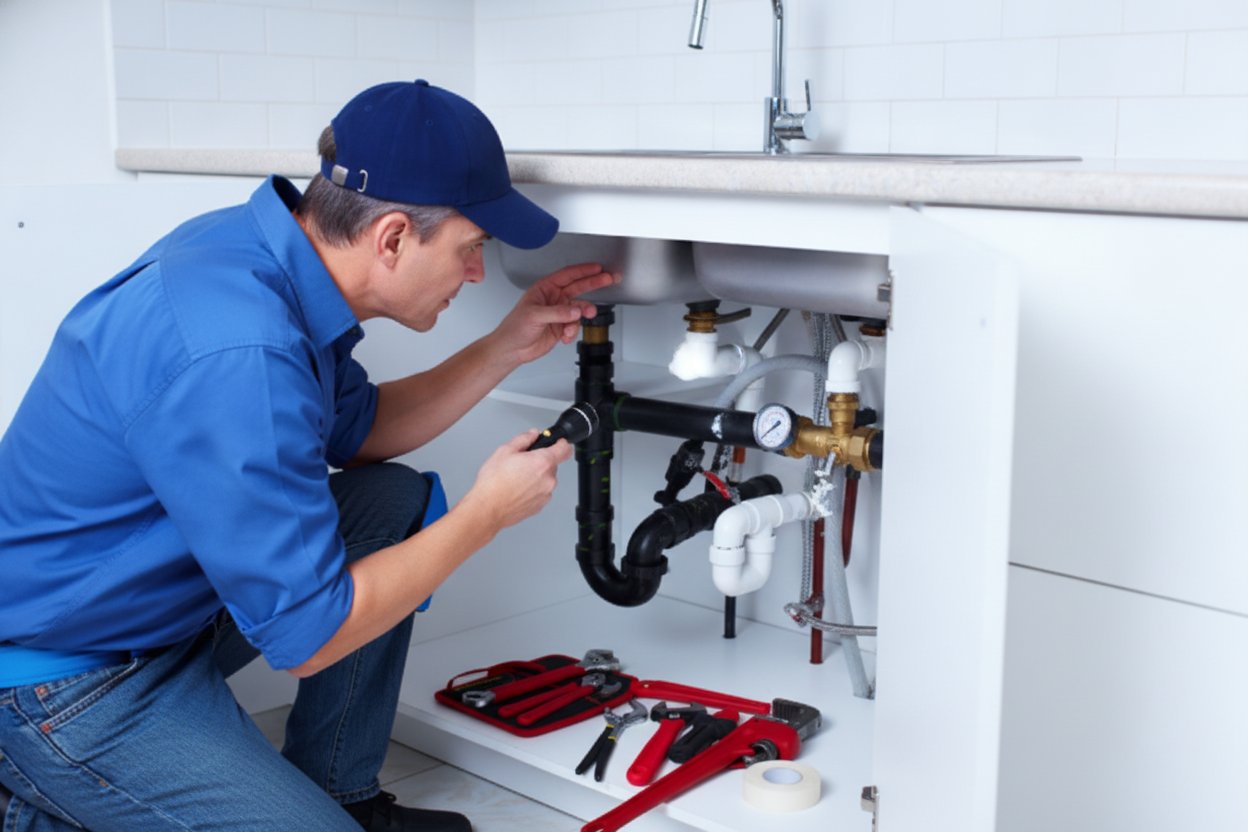
Low water pressure is a common issue faced by many homeowners, resulting in weak water flow from taps and showers. This problem can hinder daily activities and indicate underlying plumbing issues. Understanding the root causes of low water pressure is essential for effective resolution.
Common culprits of low water pressure include pipe blockages, leaks, and malfunctioning pressure regulators. Identifying the source is the first step in restoring normal water flow.
- Blockages in pipes due to sediment or mineral buildup
- Leaks in the plumbing system
- Faulty pressure regulator settings
- Municipal water supply issues
DIY Solutions to Improve Water Pressure
Before calling in the professionals, there are several DIY measures you can take to troubleshoot and improve your water pressure. Regular maintenance and quick fixes can often resolve minor issues.
Start by checking your home's main shut-off valve and ensuring it is fully open. Additionally, cleaning aerators on faucets can remove debris and improve water flow.
- Inspect and open the main shut-off valve fully
- Clean faucet aerators and showerheads
- Check for visible leaks and repair promptly
When to Call a Professional Plumber
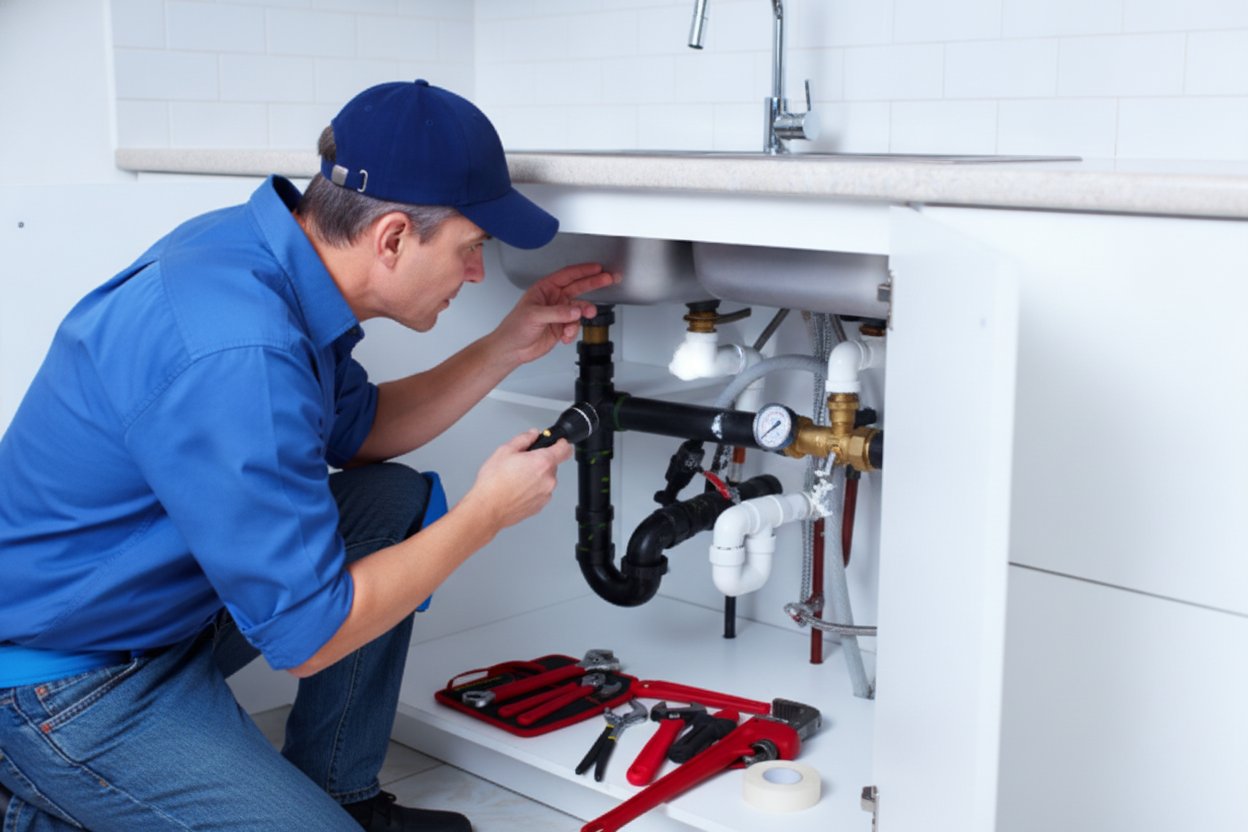
If DIY measures do not resolve the issue, it may be time to call in a professional plumber. Persistent low water pressure can indicate more complex problems that require expert intervention.
Professional plumbers have the tools and expertise to diagnose and fix issues such as hidden leaks, pressure regulator malfunctions, and pipe corrosion.
- Persistent low pressure despite DIY efforts
- Signs of hidden leaks or burst pipes
- Need for advanced diagnostics and repairs
Preventive Measures for Consistent Water Pressure
Regular plumbing maintenance is key to preventing low water pressure. Scheduled inspections and cleaning can ensure that your plumbing system remains in optimal condition.
Consider professional services for comprehensive maintenance and advanced leak detection to catch potential issues early.
- Schedule regular plumbing inspections
- Conduct routine cleaning of plumbing fixtures
- Utilize advanced leak detection services
Frequently Asked Questions
What causes low water pressure?
Low water pressure can be caused by blockages, leaks, malfunctioning pressure regulators, or municipal water supply issues.
How can I fix low water pressure myself?
You can try opening the main shut-off valve fully, cleaning faucet aerators, and checking for visible leaks.
When should I contact a plumber for low water pressure issues?
If DIY measures fail and low pressure persists, or if there are signs of hidden leaks, it's best to consult a professional plumber.
Need Help with Low Water Pressure?
If you're struggling with low water pressure, our team at Santor Plumbing is here to help. Contact us today for expert plumbing solutions and restore your home's water flow.