Santor Plumbing Inc.
DIY Drain Cleaning Techniques: Keep Your Pipes Flowing Smoothly
Discover effective DIY drain cleaning techniques to maintain your plumbing system's efficiency. Learn how to tackle clogs and prevent future blockages with our expert tips.
Introduction to DIY Drain Cleaning
Clogged drains are a common nuisance in both residential and commercial settings. While professional plumbing services are often necessary for severe blockages, understanding DIY drain cleaning techniques can help you maintain your plumbing system's efficiency and prevent minor issues from becoming major problems.
In this guide, we'll explore effective DIY strategies to keep your drains clear and functional, reducing the need for emergency plumbing interventions.
Common Causes of Clogged Drains
Before diving into DIY solutions, it's essential to understand what causes clogs in the first place. Common culprits include:
By identifying these causes, you can take preventive measures to avoid future clogs.
- Accumulation of hair and soap scum in bathroom drains.
- Grease and food particles in kitchen sinks.
- Foreign objects accidentally flushed down toilets.
Effective DIY Drain Cleaning Techniques
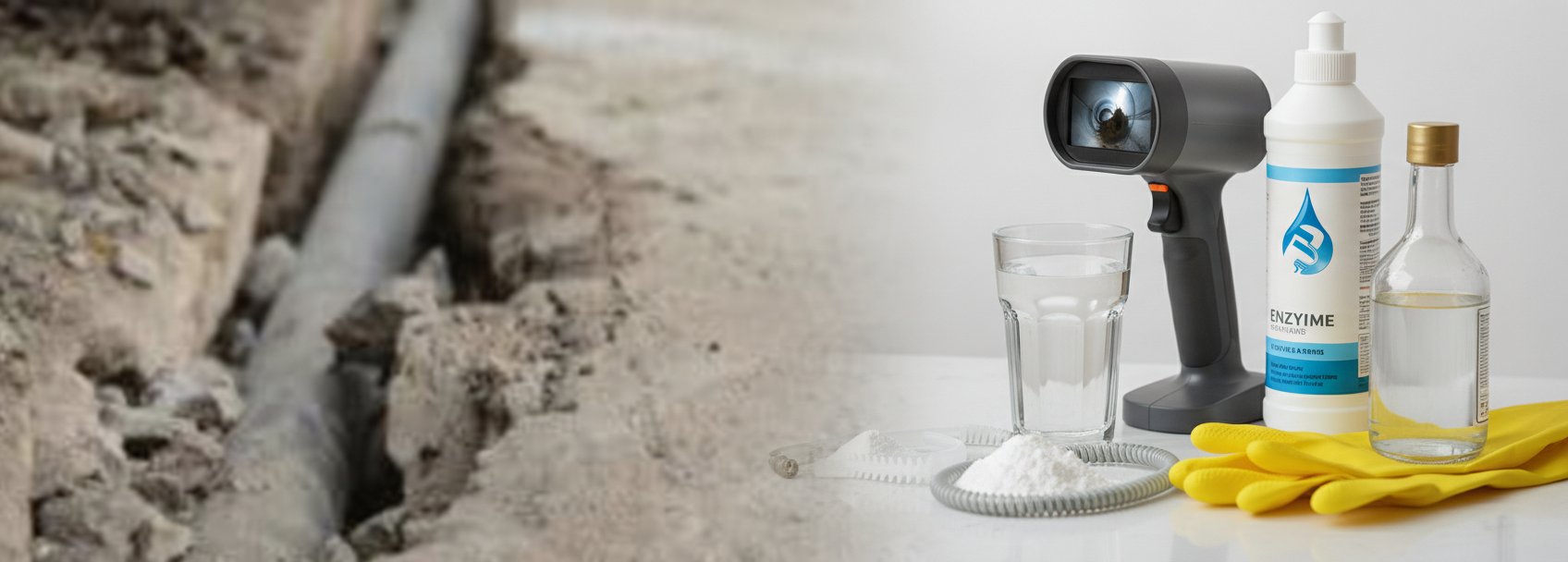
Here are some tried-and-tested DIY methods to keep your drains clear. These techniques are simple, cost-effective, and can be performed with household items.
- Boiling Water: Pouring boiling water down the drain can dissolve grease and soap scum build-up.
- Baking Soda and Vinegar: A natural cleaning duo, this combination can break down organic matter and clear minor clogs.
- Plunger: A classic tool, plungers can effectively dislodge blockages in sinks and toilets.
- Drain Snake: For more stubborn clogs, a drain snake can reach and remove debris blocking the pipes.
Preventive Measures for Drain Maintenance
Prevention is often the best cure when it comes to plumbing issues. By adopting a few simple habits, you can significantly reduce the likelihood of clogs.
Incorporating these preventive measures into your routine will help maintain a smooth-flowing plumbing system.
- Use drain covers to catch hair and debris.
- Avoid pouring grease or oil down the sink.
- Regularly flush drains with hot water to prevent residue build-up.
- Conduct periodic inspections to catch potential issues early.
When to Call a Professional
While DIY techniques are effective for minor clogs, there are situations where professional intervention is necessary. Persistent or recurring clogs, foul odors, and slow drainage may indicate a deeper issue within your plumbing system.
For such cases, it's crucial to consult with a professional plumber to ensure thorough inspection and repair.
Frequently Asked Questions
What household items can I use to clean my drains?
You can use boiling water, baking soda combined with vinegar, and a plunger to effectively clean your drains using household items.
How often should I clean my drains to prevent clogs?
Regular maintenance is key. Aim to clean your drains monthly using hot water and natural cleaners like baking soda and vinegar to prevent build-up.
Need Professional Drain Cleaning Assistance?
While DIY methods are effective for minor clogs, sometimes a professional touch is necessary. Contact Santor Plumbing for expert drain cleaning services to ensure your plumbing system remains in top condition.